
Fatigue, repeated minor infections, a general feeling of running low: when energy drops, the question of immunity often comes back. A handful of vitamins and minerals genuinely contribute to the body’s defenses, and food usually covers most needs. Supplements can help in specific situations, but the gap between marketing claims and verified evidence is wide. This guide sorts what nutrition really supports, what remains uncertain, and how to make informed choices without being misled.
Direct answer: Vitamins A, C, D, E, along with zinc and selenium, have documented roles in immune function. A varied diet covers most needs for healthy adults; targeted supplementation can be useful in case of deficiency, specific risk, or on medical advice.
The relationship between nutrition and the immune system
The immune system is not a single organ but a network: skin and mucous barriers, white blood cells, antibodies, lymphoid tissues. Each of these components needs raw material to be built, renewed, and to function. That raw material comes largely from food: proteins, lipids, vitamins, minerals, and compounds supplied by fruits, vegetables, and whole grains.
When one of these nutrients is lacking over the long term, the response can become slower or less effective. Several vitamins and minerals have an established role in supporting immune function, including vitamins A, C, D, E, as well as zinc and selenium, according to the NIH Office of Dietary Supplements fact sheet on immune function. A deficiency does not instantly cause illness, but it may weaken certain defense mechanisms.
It is useful to distinguish two very different ideas. Nutritional support means providing the body with what it needs to work properly: this is established. A commercial “immunity boost,” on the other hand, suggests pushing the system above its normal level, which is not what the science actually describes. For a tired adult in winter, the first step is rarely a miracle supplement; it is more often a review of sleep, meals, and overall health status.
Food first: For a healthy adult, a varied diet based on vegetables, fruits, legumes, whole grains, fish, eggs, and dairy generally covers the main nutritional needs linked to immunity.
Which vitamins and minerals support natural defenses?
Several nutrients play a well-documented role in supporting immune function. Rather than piling up supplements, the priority is understanding what each nutrient does and obtaining it through whole foods. When evaluating targeted options like probiotics, consulting clinical research on probiotic effects on the immune system helps separate actual scientific evidence from marketing hype, a point we explore further below.
Vitamin C
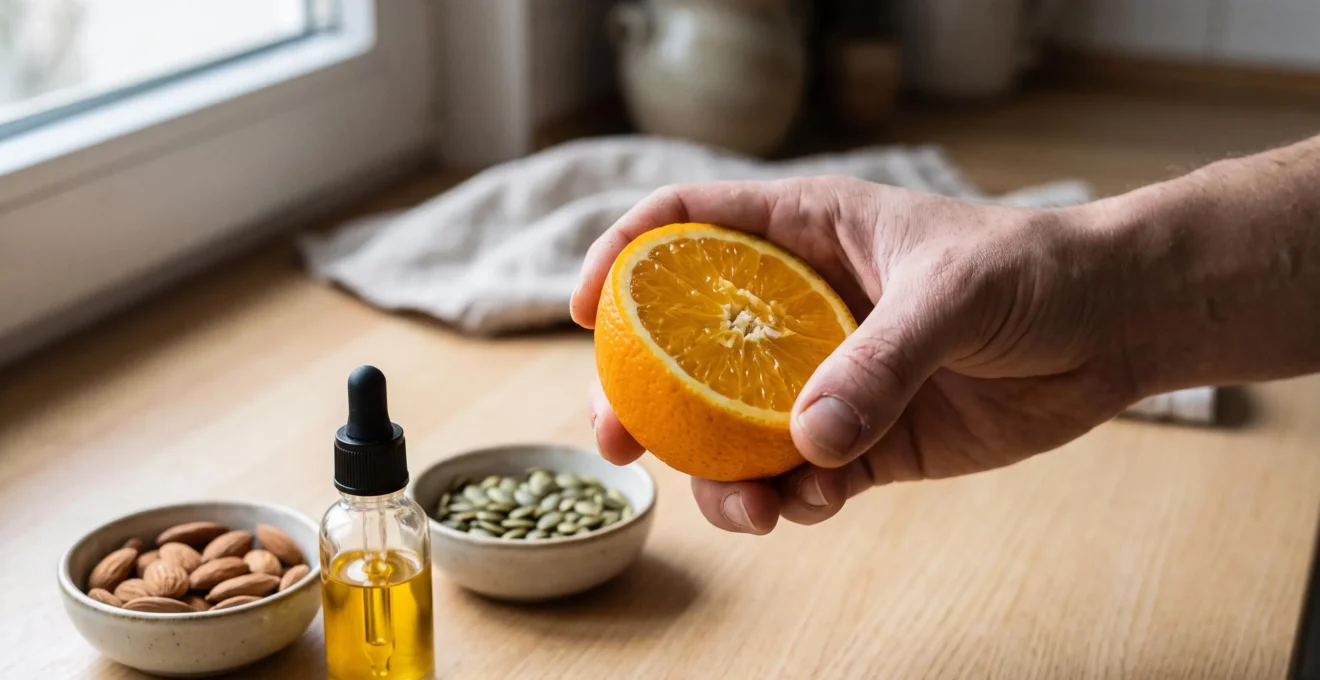
Vitamin C contributes to the normal function of immune cells and acts as an antioxidant. According to the NIH Office of Dietary Supplements, the recommended daily intake is 75 to 120 mg per day for non-smoking adults, with an additional 35 mg per day for smokers. It is found in citrus fruits, kiwis, red peppers, broccoli, strawberries, and parsley. A single kiwi or a glass of fresh orange juice can already cover a large part of the daily target.
Vitamin D
Vitamin D supports several aspects of immune response. It is mainly synthesized by the skin under sunlight exposure, and secondarily supplied by fatty fish, eggs, and fortified foods. In regions with low winter sunlight, intake from food alone is often insufficient, which is one of the few situations where supplementation is routinely considered, ideally under medical guidance to adjust the dose.
Zinc and other minerals
Zinc is involved in the production and function of immune cells. It is found in meat, shellfish (notably oysters), legumes, seeds, and whole grains. Selenium, present in Brazil nuts, fish, eggs, and whole grains, also plays a documented role. Both minerals have safety limits: taking high doses over long periods via supplements is not harmless and can disturb other balances.
Commercial claims often blur this distinction. A product may be advertised as “supporting natural defenses,” while the underlying studies focus on digestive comfort or a very specific population. Under U.S. rules, structure/function claims on supplements are not pre-approved and must be accompanied by a notice stating that the product “is not intended to diagnose, treat, cure or prevent any disease,” as described by the FDA page on structure/function claims.
In practical terms, probiotics can be considered as one option among others, not as a reliable shortcut to stronger immunity. Fermented foods eaten regularly fit easily into a balanced diet. For capsules, it is worth looking at the exact strain, the dose expressed in colony-forming units, and the specific claim made, rather than at a general “immunity” promise.
How to choose quality supplements safely
When supplementation is actually considered, the label becomes the main source of useful information. A good reflex is to read it before buying, not after. A few concrete criteria help separate serious products from those that rely mostly on marketing.
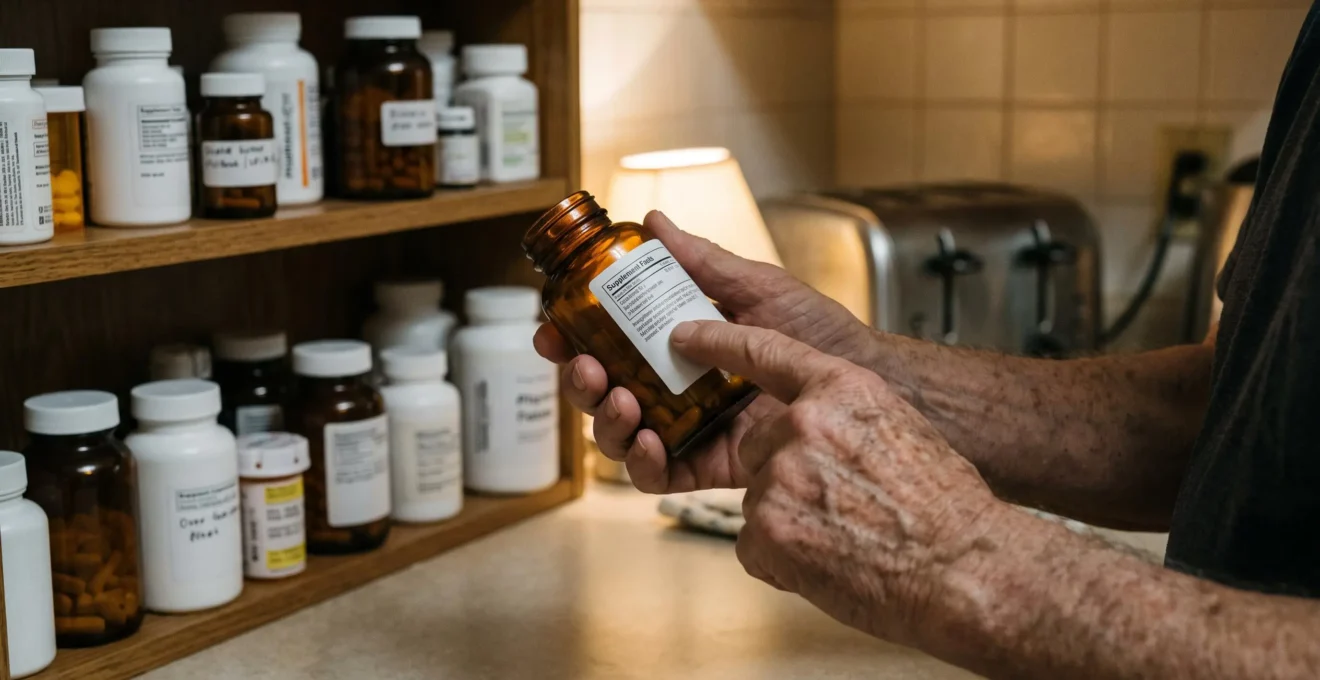
- Identify the active ingredientsCheck the exact nutrient name (for example “zinc gluconate” rather than just “zinc”) and the chemical form, which influences absorption and tolerance.
- Check the dose per daily servingCompare the quantity per capsule or tablet with recommended intakes and safety limits for that nutrient. Avoid doses far above the recommended intake unless advised by a professional.
- Review additives and allergensLook at the list of excipients, colorings, and potential allergens, especially in case of sensitivity or specific diet.
- Look for quality signalsClear manufacturer identification, batch number, expiration date, country of production, and compliance with local regulations are basic indicators of seriousness.
- Compare the claim with what the law allowsVague promises such as “boosts immunity” or “prevents infections” should prompt caution. Legitimate claims remain measured and factual.
Supplements have a real limitation: they do not compensate for an unbalanced diet, insufficient sleep, chronic stress, or lack of physical activity. They act on one piece of a larger picture. Taking a vitamin C capsule while skipping vegetables and sleeping four hours a night will not transform immune function.
- Pregnancy, breastfeeding, or child:Any supplementation should be discussed with a healthcare professional, as needs and risks differ from a healthy adult.
- Chronic illness or ongoing treatment:Some nutrients interact with medication. A pharmacist or doctor can check compatibility before you start.
- Suspected deficiency or persistent symptoms:Lasting fatigue, repeated infections, or unexplained symptoms deserve a medical assessment rather than self-prescribed supplements.
- High doses or long-term use:Beyond basic levels and short periods, medical supervision helps avoid exceeding safety limits.
If you are considering a specific product to support your defenses, taking the time to review its composition and compare it with your current diet is often more useful than switching from one brand to another. Compare probiotic options and other immune-related supplements with these criteria in mind before making a decision.
Frequently asked questions about immunity and nutrition
Should I take vitamin C every winter to avoid colds?
For most healthy adults, a varied diet including citrus fruits, kiwis, and vegetables covers the recommended intake of 75 to 120 mg per day. Routine high-dose supplementation has not been shown to prevent colds in the general population; it may be considered in specific situations, ideally after medical advice.
Can a single supplement really strengthen the immune system?
No single supplement acts as an on/off switch for immunity. Nutrients support defenses when combined with sleep, physical activity, and a balanced diet. A supplement can correct a deficiency, not replace the overall lifestyle.
Are natural food sources always better than supplements?
Food usually provides nutrients alongside fiber and other useful compounds, with a very low risk of overdose. Supplements become relevant when intake is insufficient, in case of specific health conditions, or during periods such as pregnancy, where medical advice is important.
How do I know if an immune supplement is trustworthy?
Look for clear ingredient names and doses, batch number, expiration date, manufacturer information, and realistic claims. Products promising to “prevent” or “cure” illnesses should be considered with strong caution, as such claims are not allowed for food supplements.
When should I consult a healthcare professional about my immunity?
Persistent fatigue, repeated infections, unexplained weight loss, or ongoing symptoms justify a medical consultation rather than self-supplementation. Pregnant or breastfeeding women, children, older adults, and people with chronic conditions should also seek personalized advice before starting any supplement.
Supporting the immune system through nutrition is less about chasing a miracle product than about covering the main nutrients day after day, through food first, and reserving supplements for situations where they truly add value. Reading labels, questioning overblown claims, and asking a healthcare professional when in doubt remain the most reliable habits to protect both your health and your budget.