Home & Garden
Your home is far more than four walls and a roof—it’s the foundation of your daily wellbeing, productivity, and connection to the natural world. The way you design, organize, and maintain your living space directly impacts your physical health, mental clarity, and environmental footprint. Whether you’re working from a compact urban apartment or managing a suburban property, the decisions you make about your home and garden shape the quality of your everyday life.
This comprehensive resource explores the interconnected elements that transform a house into a truly functional, healthy, and sustainable home. From maximizing limited square footage and creating ergonomic workspaces to integrating smart technology and cultivating your own food, each aspect works together to support modern living. You’ll discover practical strategies grounded in design principles, health science, and environmental stewardship—all aimed at helping you create spaces that serve both your immediate needs and long-term goals.
Creating Functional Spaces in Modern Living
The challenge of limited square footage has become increasingly common, with urban dwellers often working with spaces measuring under 600 square feet. Yet size constraints don’t have to mean sacrificing comfort or functionality. The key lies in understanding how to make every inch count through strategic planning and intelligent furniture choices.
Maximizing Space Through Zoning and Flexibility
Think of your living space like a theater stage where different scenes unfold throughout the day. Zoning creates distinct functional areas within open plans without physical barriers. A dining table that doubles as a workspace during the day, or a living room corner that transforms into a reading nook, exemplifies this approach. The secret is using visual cues—area rugs, lighting variations, or subtle color changes—to signal different purposes without permanently dividing the space.
Convertible furniture represents the evolution of this concept. Murphy beds that fold into walls, dining tables with leaves that expand for guests, and ottomans with hidden storage compartments all serve multiple functions. When selecting these pieces, prioritize mechanisms that operate smoothly with minimal effort; a convertible sofa that requires ten minutes and three people to transform will rarely be used.
Conquering Storage Without Visual Chaos
Vertical storage solutions can increase your usable storage capacity by up to 40% without consuming additional floor space. The principle is simple: walls extend upward, and so should your storage strategy. Floor-to-ceiling shelving units, wall-mounted cube systems, and overhead storage in garages utilize often-wasted vertical real estate.
When choosing between materials, consider both function and aesthetics:
- Wire shelving: offers excellent visibility and airflow, ideal for pantries and closets where you need to see contents quickly
- Wood systems: provide a finished appearance suitable for living areas and can bear heavier loads
- Modular cubes: offer flexibility to reconfigure as needs change, perfect for growing families or evolving hobbies
The timing of decluttering matters as much as the method. Rather than annual purges that feel overwhelming, adopt a seasonal rotation system where you review one category—clothing, kitchen tools, books—every few months, maintaining control without disruption.
Designing for Health and Wellbeing
Your home environment directly influences your physical health, particularly as remote work blurs the boundaries between professional and personal spaces. Investing in proper ergonomics and lighting isn’t an indulgence—it’s preventive healthcare that pays dividends in reduced pain, improved sleep, and sustained productivity.
Building a Health-Supporting Workspace
Consider that the average person spends over 1,700 hours annually sitting at a desk. During this time, poor posture creates compounding stress on your spine, potentially leading to chronic pain that persists long after you log off. Lumbar support maintains the natural S-curve of your spine, preventing the slouched C-shape that strains muscles and compresses discs.
Desk height adjustment follows a simple formula: when seated with feet flat on the floor, your elbows should form a 90-degree angle when hands rest on the keyboard. This typically translates to a desk surface between 28 and 30 inches for most adults, though individual proportions vary. The wrist should remain neutral—neither bent upward nor downward—which often requires a keyboard tray slightly below the desk surface.
The mesh versus foam debate in office chairs centers on breathability versus cushioning. Mesh backs promote airflow, preventing the sweaty back syndrome during long work sessions, but some find them less comfortable for extended sitting. Foam provides more cushioning but can retain heat. Your choice depends on your climate, sitting duration, and personal comfort preferences, with many ergonomic chairs now offering hybrid designs.
Lighting That Supports Your Natural Rhythms
Light serves as your body’s primary timekeeper, influencing everything from alertness to sleep quality. Color temperature, measured in Kelvin, determines whether light feels warm or cool. Cooler light (5000-6500K) mimics midday sun and promotes alertness, making it ideal for workspaces. Warmer light (2700-3000K) signals evening to your brain, supporting melatonin production and sleep preparation.
Layering different light sources—ambient overhead lighting, task lamps for detailed work, and accent lighting for atmosphere—creates flexibility throughout the day. Smart bulbs and switches allow you to adjust both brightness and color temperature, transitioning from energizing cool light during work hours to relaxing warm tones in the evening, all while automating security features like vacation mode to deter potential intruders.
Embracing Smart Home Technology
Home automation has evolved from a luxury novelty to a practical tool for energy management, security, and daily convenience. However, the proliferation of devices and competing standards can overwhelm newcomers. Understanding the fundamentals helps you build a system that genuinely serves your needs rather than creating new frustrations.
Building a Reliable Smart Home Foundation
Smart home protocols—Zigbee, Z-Wave, Wi-Fi, and Thread—function like different languages. Devices using the same protocol communicate easily, while mixing protocols requires a translator (hub). Wi-Fi devices offer simplicity and broad compatibility but can congest your network when you add multiple cameras, smart plugs, and sensors. Dedicated protocols like Zigbee create mesh networks that strengthen with each device added, avoiding Wi-Fi congestion.
Voice assistants serve as your system’s interface, but choosing between options depends on your existing ecosystem. Consider which services you already use—music streaming, calendars, shopping platforms—as integration depth varies significantly. Regardless of choice, secure your smart cameras with unique passwords, two-factor authentication, and regular firmware updates, treating them as potential entry points that require the same security diligence as your front door.
Optimizing Energy Consumption
Smart home technology’s most measurable benefit often appears in utility bills. Automated thermostats learn your schedule and preferences, reducing heating and cooling when you’re away or asleep—typically saving 10-23% on annual energy costs. Smart plugs eliminate phantom power draw from devices that consume electricity even when “off,” while motion sensors ensure lights only illuminate occupied spaces.
The key is starting small with high-impact changes—thermostat and lighting automation first—then expanding based on actual usage patterns rather than gadget appeal.
Growing Your Own Food at Home
Home gardening addresses two critical modern concerns: food security and mental health. The act of nurturing plants from seed to harvest creates a tangible connection to natural cycles often missing from contemporary life, while reducing dependence on supply chains and providing access to ultra-fresh, pesticide-free produce.
Understanding the Fundamentals
Soil pH determines nutrient availability to plant roots. Most vegetables thrive in slightly acidic to neutral soil (6.0-7.0 pH), while blueberries prefer more acidic conditions (4.5-5.5 pH). Inexpensive test kits from garden centers provide readings in minutes, allowing you to amend soil before problems manifest as yellowing leaves or stunted growth.
Starting seeds indoors extends your growing season by 6-8 weeks, crucial in shorter-season climates. The process requires three elements: consistent warmth (65-75°F for most varieties), adequate light (either a sunny south-facing window or grow lights positioned 2-3 inches above seedlings), and careful moisture management. Overwatering kills more seedlings than underwatering, as saturated soil lacks the oxygen pockets roots need to breathe.
Maximizing Yield in Limited Footprints
Vertical gardening systems multiply growing capacity within the same footprint. A properly designed tower garden occupying just 4 square feet can produce equivalent yields to 40 square feet of traditional garden beds. Hydroponic systems—growing plants in nutrient-rich water without soil—further intensify production while using 90% less water than conventional methods.
Companion planting pairs crops for mutual benefit: tomatoes and basil, carrots and onions, or the classic “three sisters” of corn, beans, and squash. These combinations optimize space while improving pest resistance and soil health naturally, reducing the need for interventions.
Building a Sustainable and Healthy Home
Renovation decisions create lasting impacts on both environmental footprint and indoor air quality. Understanding what lies beneath marketing claims empowers you to make choices aligned with genuine sustainability rather than superficial greenwashing.
Volatile Organic Compounds (VOCs) are chemicals that off-gas from paints, adhesives, flooring, and furniture, potentially causing headaches, respiratory irritation, and long-term health effects. Low-VOC or zero-VOC alternatives now match conventional products in performance while dramatically improving indoor air quality—particularly important in well-sealed modern homes where ventilation is limited.
Sourcing reclaimed wood delivers character alongside environmental benefits, diverting materials from landfills while avoiding the carbon footprint of new lumber production. When comparing flooring options, consider the full lifecycle:
- Bamboo regrows rapidly but often travels thousands of miles from Asian sources
- Cork provides natural antimicrobial properties and excellent thermal insulation from renewable bark harvests
- Reclaimed hardwood offers unmatched durability and unique aesthetics with minimal environmental impact
- Luxury vinyl plank mimics natural materials affordably but derives from petroleum and rarely recycles
Timing renovation projects during mild weather reduces energy demands for climate control while wet materials dry, and allows proper ventilation to clear any residual odors or emissions before sealing the home for extreme seasons.
Creating a home that truly serves you requires viewing these elements not as isolated projects but as interconnected systems. The smart lighting that supports your sleep also enhances security. The vertical garden that provides fresh herbs also purifies indoor air. The ergonomic workspace that prevents pain also increases your productivity and satisfaction. By approaching home and garden improvements with this holistic perspective, you build spaces that genuinely support healthier, more sustainable, and more fulfilling daily living.
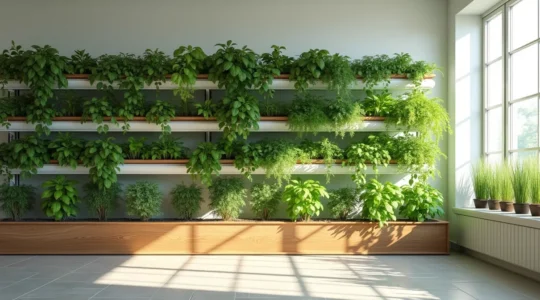
How to Grow a Year’s Worth of Herbs on a Single Vertical Wall?
Transforming a blank wall into a productive herb garden is less about gardening and more about smart spatial engineering. Building a vertical “living system” uses up to 90% less water and can be done for under $50. Success depends on…
Read more
When to Program Automated Lighting to Improve Your Sleep Quality?
Your smart lights are likely making your sleep worse, not better, by disrupting your body’s natural hormonal signals. The key is to treat light as a biological signal, programming its color and intensity to match the sun’s natural 24-hour cycle….
Read more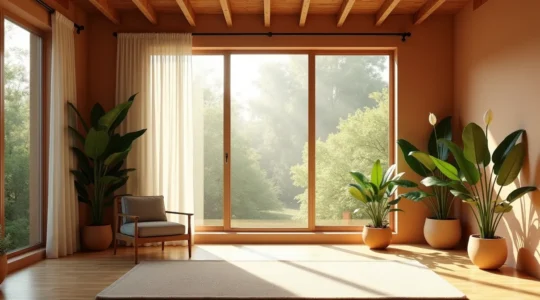
Why Sustainable Materials Are Essential for Improving Your Home’s Indoor Air Quality
That “new home” smell might contain hidden health threats, but choosing the right materials can transform your renovation into a powerful investment in your family’s well-being. Harmful VOCs (Volatile Organic Compounds) are released by common materials like paint, plastics, and…
Read more
Vegetables or Flowers: Which Gardening Approach Reduces Stress More Effectively?
The greatest mental health benefit of gardening comes not from choosing between vegetables or flowers, but from embracing the mindful process of nurturing plant life itself. Technical gardening challenges, like managing soil pH or pests, are opportunities to practice presence…
Read more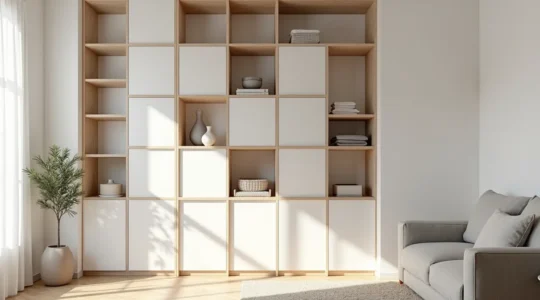
Problem and Solution: Doubling Storage in Small Apartments Using Modular Units
In summary: Solve storage shortages by utilizing vertical space instead of consuming valuable floor area. Treat storage as a flexible, adaptable system that can be reconfigured as your needs change or when you move. Use the physical limits of modular…
Read more
The Ecosystem Error: Buying Smart Technology That Doesn’t Talk to Your Hub
The critical smart home mistake isn’t buying the wrong device, but failing to design the underlying communication system first, leading to a fragmented and unreliable experience. A “protocol-first” architecture using standards like Matter is superior to a “brand-first” purchasing strategy….
Read more
Why Your Non-Ergonomic Chair Is Costing You Thousands in Chiropractic Bills?
That persistent back pain and fatigue aren’t just discomfort; they are symptoms of a cascading system failure originating from your workspace. From a clinical perspective, a non-ergonomic setup creates a significant “postural debt” that leads to compounding physical and financial…
Read more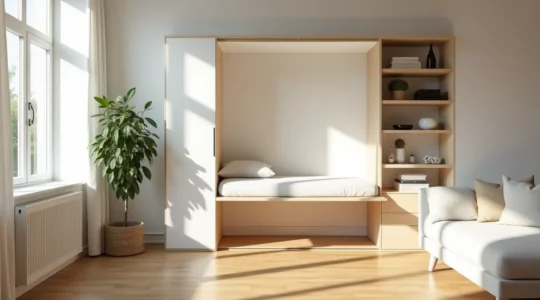
How to Design a Transforming Space That Functions as Both Office and Guest Room?
A truly transformative dual-function room is not defined by its furniture, but by its choreography—a system of spatial, sensory, and mechanical elements working in harmony. Success lies in managing light and sightlines with visual dividers, not solid walls. The choice…
Read more